Fire-Resistant Roofing Materials What Every Homeowner Should Know
In recent years, the increasing frequency and intensity of wildfires have underscored the importance of protecting homes, particularly those situated in wildfire-prone regions. The devastation caused by these fires not only impacts the environment but also poses a significant threat to residential properties. One of the most effective strategies for mitigating fire damage is investing in fire-resistant roofing materials. This guide delves into the essentials of fire-resistant roofing, emphasizing its significance and exploring the most suitable materials to secure your home against potential fire hazards.
Fire-resistant roofing materials are specifically engineered to endure high temperatures and prevent the spread of flames. These materials are categorized based on their performance when exposed to fire, with Class A materials offering the highest level of protection. Class B and C materials provide moderate to basic fire resistance, respectively. The classification system helps homeowners make informed choices based on their specific needs and the fire risk level in their area.
Why Fire-Resistant Roofing Matters
A fire-resistant roof serves as a critical barrier in safeguarding your home during a wildfire. It not only protects the structural integrity of the building but also plays a crucial role in preventing the fire from spreading to neighboring properties. By selecting an appropriate roofing material, you can substantially lower the risk of fire-related damage, thereby ensuring the safety of your family and possessions. Additionally, investing in fire-resistant materials can enhance your home’s overall resilience, providing peace of mind in the face of unpredictable fire threats.
Moreover, the choice of fire-resistant roofing can have broader community benefits. In areas prone to wildfires, widespread adoption of fire-resistant materials can help slow the spread of fires, buying valuable time for emergency services to respond. This collective approach can reduce overall damage and potentially save lives, highlighting the importance of community-wide investment in fire safety measures.
Popular Fire-Resistant Roofing Materials
There are a variety of roofing materials that offer diverse levels of fire resistance. Selecting the right material depends on factors such as budget, climate, and aesthetic preferences. Here’s an in-depth look at some of the most popular options available to homeowners today:
Asphalt Shingles
Asphalt shingles remain one of the most commonly used roofing materials due to their affordability and ease of installation. While standard asphalt shingles typically hold a Class C fire rating, enhanced fire-resistant versions are available. These can attain a Class A rating when paired with a fire-resistant underlayment, making them a viable option for those seeking cost-effective fire protection. Moreover, fire-resistant asphalt shingles come in various styles and colors, allowing homeowners to maintain their desired aesthetic while enhancing safety.
Despite their benefits, it’s important to weigh the longevity and potential maintenance needs of asphalt shingles against other materials. While they provide a budget-friendly solution, they may not offer the same durability as some other fire-resistant options, potentially requiring more frequent replacements or repairs in the long term.
Metal Roofing
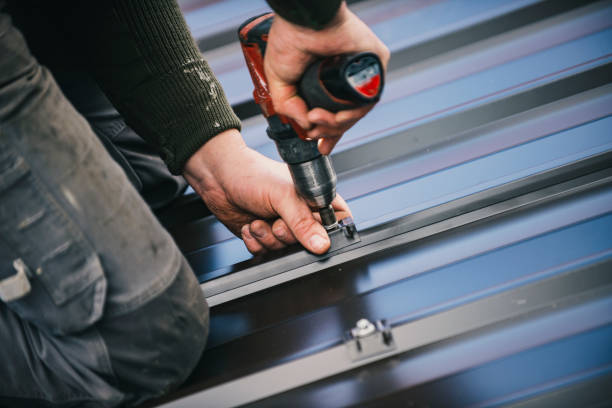
Metal roofing is a favored choice for those seeking fire-resistant solutions. Made from non-combustible metals such as steel, aluminum, and copper, metal roofs can achieve a Class A fire rating, offering superior protection. Besides their fire-resistant qualities, metal roofs are highly durable, long-lasting, and require minimal maintenance. Their reflective properties help deflect heat, keeping homes cooler during the summer months, which can also lead to reduced energy costs.
The benefits of metal roofing extend beyond fire resistance. Metal roofs are known for their environmental sustainability, often being made from recycled materials and fully recyclable at the end of their lifespan. This eco-friendly aspect, combined with their modern aesthetic and versatility, makes metal roofing a compelling choice for homeowners prioritizing both safety and sustainability.
Clay and Concrete Tiles
Naturally fire-resistant, clay and concrete tiles provide an excellent option for homeowners in wildfire-prone regions. These tiles readily achieve a Class A fire rating and are celebrated for their durability and longevity. Their aesthetic appeal adds a unique charm to homes, often complementing Mediterranean and Spanish architectural styles. However, due to their weight, it’s crucial to ensure your home’s structure can support them, potentially necessitating structural reinforcement.
In addition to their fire-resistant properties, clay and concrete tiles offer other practical benefits. They are highly resistant to extreme weather conditions, including heavy rain and hail, which can be advantageous in diverse climates. Furthermore, their thermal mass can help regulate indoor temperatures, contributing to a more energy-efficient home.
Slate Roofing
Slate roofing, made from dense natural stone, provides exceptional fire resistance with a Class A rating. Known for its durability, slate is an environmentally friendly option that can last for a century or more with proper care. Although initially more expensive and requiring professional installation due to its weight, slate offers unparalleled protection and aesthetic appeal, making it a worthwhile investment for those prioritizing long-term safety and elegance.
The timeless beauty of slate roofing enhances the architectural charm of many home styles, from historic to contemporary. Its natural variations in color and texture add a distinct character to roofs, ensuring each installation is unique. Moreover, slate’s resistance to mold, mildew, and insect damage further solidifies its reputation as a high-quality, low-maintenance roofing solution.
Fiber Cement Shingles
Fiber cement shingles, composed of a blend of cement, sand, and cellulose fibers, offer a robust Class A fire rating. These shingles are not only fire-resistant but also withstand rot, insects, and harsh weather conditions. Their versatility in design allows homeowners to choose from a range of styles to match their home’s aesthetic, making them a durable and visually appealing choice for fire-resistant roofing.
Beyond their fire-resistant attributes, fiber cement shingles are valued for their low maintenance requirements. They resist warping, cracking, and fading, maintaining their appearance and performance over time. This durability, combined with their ability to mimic the look of wood or other traditional materials, makes fiber cement shingles a popular option among homeowners seeking both safety and style.
Benefits of Fire-Resistant Roofing
Choosing fire-resistant roofing materials provides numerous advantages beyond fire protection:
- Enhanced Safety: A fire-resistant roof significantly reduces the risk of fire spreading to or from your home, ensuring safety and peace of mind for you and your family. This proactive measure can be particularly reassuring in regions where wildfires are a common occurrence, providing an additional layer of security.
- Insurance Benefits: Many insurance companies recognize the reduced risk associated with fire-resistant roofing and offer discounts on premiums for homes equipped with these materials. This can lead to substantial savings over time, offsetting the initial investment in fire-resistant roofing.
- Increased Property Value: Homes featuring fire-resistant elements, such as a robust roofing system, are often more appealing to potential buyers. The added safety and potential cost savings enhance the property’s market value, making it a sound investment for the future.
Factors to Consider When Choosing Fire-Resistant Roofing
When selecting the appropriate fire-resistant roofing material for your home, several factors must be considered to ensure the best fit for your needs:
Climate
Evaluate your local climate and weather conditions when choosing roofing materials. Some options, like metal and slate, offer additional benefits, such as energy efficiency and resistance to extreme weather, which can be particularly advantageous in certain climates. Understanding how each material performs under different environmental conditions can help you make a more informed decision.
Budget
Fire-resistant roofing materials vary widely in cost, making it essential to consider your budget. While some materials, like asphalt shingles, offer affordability, others, such as slate, may require a more substantial investment. It’s important to weigh the initial costs against long-term benefits, including potential savings on insurance premiums and maintenance expenses, when evaluating your options.
Architectural Style
Select a roofing material that complements your home’s architectural style. Materials like clay tiles or slate can enhance traditional designs, while metal roofing provides a sleek, modern look. The right choice can enhance your home’s curb appeal and maintain its aesthetic integrity, ensuring your investment aligns with your personal taste and the overall design of your property.
Installation and Maintenance
Consider the complexity of installation and the level of maintenance required for each roofing material. Some options may necessitate professional installation and ongoing upkeep, while others offer ease of installation and low maintenance. Understanding these factors can help you choose a material that aligns with your preferences for convenience and long-term care.
Conclusion: Make an Informed Decision
Investing in fire-resistant roofing materials is a prudent decision for any homeowner, especially those residing in areas vulnerable to wildfires. By gaining an understanding of the available options and considering factors such as climate, budget, and architectural style, you can select the most suitable fire-resistant roofing material to protect your home and family from potential fire hazards.
Remember, a fire-resistant roof is just one component of a comprehensive fire safety strategy. Regular maintenance, strategic landscaping, and adherence to local fire codes are equally important in fortifying your home against wildfires. By taking a holistic approach to fire safety, you can ensure that your home remains a sanctuary, even amidst the challenges posed by fire threats. Embracing these proactive measures not only protects your property but also contributes to the broader effort of community safety and resilience in the face of fire hazards.