Best Wildfire Roofing Materials: Tile & Metal Options
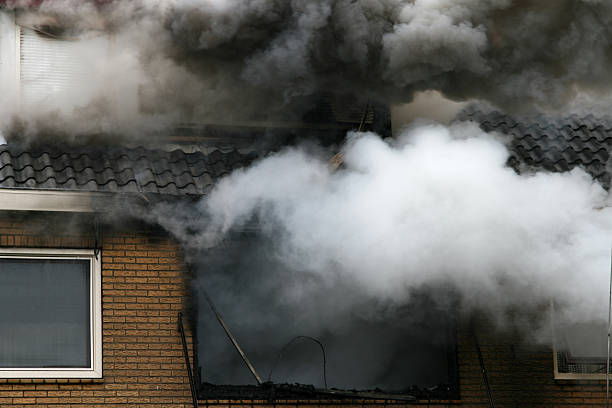
In wildfire-prone areas, choosing the right roofing material can make a significant difference in protecting your home. With the increase in wildfires, homeowners must consider fire-resistant roofing options that not only provide protection but also meet their aesthetic and financial needs. In this article, we will compare asphalt shingles, tile, and metal roofing to help you make an informed decision.
The Nature of Wildfires
Wildfires are natural events characterized by rapid spread and intense heat, often ignited by lightning or human activity. Once started, they can consume vast areas of land, fueled by dry vegetation and aided by wind. This rapid spread makes it crucial for structures in these zones to have fire-resistant features, particularly the roof, which is often the first point of contact for embers and flames.
Impact on Communities
The impact of wildfires on communities can be devastating. Homes and infrastructure may be destroyed, leading to displacement and significant financial losses. Communities in wildfire-prone areas also face health risks from smoke and air pollution. Understanding these risks emphasizes the importance of preventive measures, including choosing the right roofing material.
The Role of Roofing in Fire Protection
Roofing plays a pivotal role in fire protection. The materials used can either contribute to a home’s vulnerability or enhance its resilience. During a wildfire, embers can travel significant distances and ignite roofs that are not sufficiently fire-resistant. Thus, selecting the right roofing material is a critical aspect of safeguarding a home.
Key Factors to Consider in Roofing for Wildfire Zones
When evaluating roofing materials for wildfire zones, consider the following factors:
Fire Resistance
Fire resistance is perhaps the most critical factor when choosing roofing materials for wildfire-prone areas. The ability of a material to withstand fire exposure can determine the fate of your home during a wildfire. Roofing materials are classified into categories based on their fire resistance, with Class A being the highest, offering the best protection against fire.
Durability and Longevity
Durability refers to how well the roofing material stands up to environmental elements over time, including not just fire, but also wind, rain, and hail. Longevity is equally important, as a more durable roof often translates to fewer replacements and repairs over time, which can be especially beneficial in areas with frequent extreme weather conditions.
Aesthetics and Design Flexibility
Aesthetics matter because your roof is a visible part of your home, influencing its overall curb appeal. Homeowners may prefer a roofing style that complements the architectural design of their home. Some materials offer a wide range of colors and styles, allowing for customization to meet both aesthetic and practical needs.
Cost Considerations
The overall expense of a roofing material includes initial installation costs, maintenance, and potential replacement expenses. While some materials may have higher upfront costs, their durability and longevity can make them more cost-effective in the long run. It’s important to weigh immediate budget constraints against long-term value.
Structural Weight and Support Requirements
Weight is a crucial consideration because it affects the structural integrity of your home. Heavier materials require a more robust framework, which can add to construction costs. Ensuring that your home can support the weight of your chosen roofing material is essential to both safety and compliance with building codes.
Asphalt Shingles
Fire Resistance and Durability
Asphalt shingles are a popular choice for many homeowners due to their affordability and ease of installation. However, when it comes to fire resistance, they are not the best option. Although treated with fire retardants, asphalt shingles provide less protection compared to other materials. They are classified as Class A, B, or C, with Class A offering the highest fire resistance.
Asphalt shingles, despite their fire treatment, can degrade over time, reducing their effectiveness. Regular inspections and maintenance are necessary to ensure they remain in the best condition to provide some level of fire protection. Their durability against other elements, like wind and hail, is moderate, necessitating periodic repairs.
Cost and Aesthetics
Asphalt shingles are budget-friendly and come in a variety of colors and styles, making them an attractive option for homeowners looking to enhance their home’s curb appeal without breaking the bank. However, their lifespan is relatively short, requiring replacement every 15 to 30 years.
This affordability allows homeowners to allocate funds to other home improvements or fire safety measures. Aesthetically, asphalt shingles offer versatility, blending well with various architectural styles. However, the need for frequent replacement can offset initial savings, making long-term cost considerations crucial.
Maintenance and Environmental Impact
Maintenance for asphalt shingles involves regular inspections to check for damage from weather or fire exposure. Simple maintenance can extend their life, but significant damage often necessitates replacement. Environmentally, asphalt shingles are less sustainable due to their petroleum-based composition, contributing to landfill waste.
While innovations in recycling are emerging, currently, the majority of replaced shingles end up in landfills. This factor, combined with their shorter lifespan, presents an environmental challenge. Homeowners committed to sustainability might consider this impact when choosing their roofing material.
Tile Roofing
Fire Resistance and Durability
Tile roofing, made from clay or concrete, offers excellent fire resistance, often achieving a Class A rating. Tiles are non-combustible and can withstand high temperatures, making them a preferred choice in wildfire-prone areas. Furthermore, tile roofing is highly durable, with a lifespan of 50 to 100 years, depending on the material and maintenance.
The non-combustible nature of tiles means they are less likely to ignite from embers, providing peace of mind to homeowners in fire-prone regions. Their durability extends beyond fire resistance; they also withstand harsh weather conditions, reducing the need for frequent repairs and replacements.
Cost, Weight, and Aesthetics
While tile roofing is more expensive than asphalt shingles, its durability and fire resistance often justify the higher cost. However, the weight of tile roofing is a consideration, as it requires a robust structural framework to support it. Aesthetically, tile roofs offer a distinctive look, often associated with Mediterranean or Spanish-style architecture, and come in various shapes and colors.
The initial investment in tile roofing pays off over time due to its longevity and minimal maintenance needs. The weight of tiles necessitates ensuring that your home can structurally support them, which might require additional construction costs. The aesthetic appeal of tiles is unmatched for certain architectural styles, adding to the home’s overall value and charm.
Environmental Impact and Sustainability
Tile roofing, particularly clay tiles, is made from natural materials and is also recyclable. This makes tiles an environmentally friendly choice. The production process for tiles is energy-intensive, but their long lifespan offsets some of the environmental costs. At the end of their life, tiles can be recycled, reducing landfill waste.
Choosing tile roofing can be part of a broader strategy of sustainable building practices. Their energy efficiency, combined with their natural composition, makes them a preferred choice for environmentally conscious homeowners. By opting for tiles, homeowners contribute to reducing their carbon footprint.
Metal Roofing
Fire Resistance and Durability
Metal roofing is another excellent option for wildfire zones due to its high fire resistance. Metal roofs are typically made from steel, aluminum, or copper, all of which are non-combustible and achieve a Class A fire rating. Additionally, metal roofs are highly durable, with a lifespan of 40 to 70 years, and they are resistant to harsh weather conditions, including wind and hail.
The non-combustible nature of metal makes it a robust barrier against fire, providing security for homes in high-risk areas. Metal roofs also perform exceptionally well in other challenging weather conditions, offering protection against a variety of environmental threats.
Cost, Weight, and Aesthetics
Metal roofing can be more expensive upfront compared to asphalt shingles, but its long lifespan and minimal maintenance requirements often make it a cost-effective choice in the long run. Metal roofs are lightweight, which means they can be installed on most homes without additional structural support. They are available in a variety of styles and colors, some designed to mimic other roofing materials like tile or shingles.
The initial cost of metal roofing can be offset by its durability and energy efficiency. Its lightweight nature reduces installation costs related to structural reinforcement. Metal roofs offer versatile design options, allowing homeowners to achieve the desired look without compromising on safety and durability.
Environmental Benefits and Maintenance
When choosing a roofing material, it’s also important to consider the environmental impact. Metal roofing is often made from recycled materials and can be fully recycled at the end of its life, making it an environmentally friendly choice. Maintenance for metal roofs is minimal, requiring only periodic cleaning and inspections to ensure longevity.
The recyclability of metal roofs contributes to their appeal for environmentally conscious homeowners. Their energy efficiency can also reduce heating and cooling costs, offering an additional environmental benefit. With minimal maintenance needs, metal roofs provide a hassle-free, sustainable roofing solution.
Environmental Considerations
Sustainability of Roofing Materials
When choosing a roofing material, it’s also important to consider the environmental impact. Metal roofing is often made from recycled materials and can be fully recycled at the end of its life, making it an environmentally friendly choice. Tile roofing, particularly clay tiles, is made from natural materials and is also recyclable. Asphalt shingles, however, are less sustainable due to their petroleum-based composition and shorter lifespan.
Environmental sustainability is becoming a significant factor for many homeowners. By opting for materials that are recyclable or made from natural resources, you contribute to environmental conservation. This consideration should be part of the decision-making process for roofing in wildfire zones.
Energy Efficiency and Insulation
The energy efficiency of a roofing material can also impact its environmental footprint. Metal roofs, for instance, reflect solar radiant heat, which can reduce cooling costs in hot climates. Tile roofs provide natural insulation, helping to maintain indoor temperatures. These characteristics not only benefit the environment but also offer cost savings for homeowners.
Considering energy efficiency alongside fire resistance can lead to a more comprehensive approach to roofing in wildfire zones. By selecting materials that offer both protection and efficiency, homeowners can enjoy reduced energy bills and a lower carbon footprint.
Lifecycle and End-of-Life Options
The lifecycle of roofing materials varies, influencing their environmental impact. Materials with a longer lifespan, like tile and metal, require fewer replacements, reducing waste. At the end of their lifecycle, materials like metal and clay tiles can be recycled, contributing to environmental sustainability.
Understanding the lifecycle of your roofing material can inform more sustainable choices. Opting for materials that offer recyclability and longevity supports environmental goals and contributes to reducing the demand for new raw materials.
Choosing the Right Roofing Material for Your Home
Selecting the right roofing material for wildfire zones involves balancing fire resistance, durability, aesthetics, cost, and environmental impact. Here are some considerations to help guide your decision:
Budget Constraints and Financial Planning
- Budget: If budget constraints are a primary concern, asphalt shingles may be the most viable option, but ensure they are Class A rated for fire resistance.
- Long-term Value: For those willing to invest in long-term protection and durability, tile or metal roofing may be more suitable.
- Financial planning should account for both initial costs and long-term savings, considering factors like maintenance and energy efficiency.
Aesthetic Preferences and Architectural Style
- Aesthetic Preference: Consider the architectural style of your home and which roofing material complements it best.
- Some materials offer greater design flexibility, allowing for customization to match your home’s aesthetic.
- A harmonious blend of form and function can enhance your home’s curb appeal while providing essential fire protection.
Structural Considerations and Safety
- Structural Support: Ensure your home can support the weight of heavier materials like tile roofing.
- Safety should always be a priority, requiring an assessment of your home’s structural capacity before choosing a roofing material.
- Consult with professionals to determine any necessary reinforcements or modifications to support your desired roofing material.
Conclusion
In conclusion, while asphalt shingles, tile, and metal roofing each have their advantages and drawbacks, metal and tile roofing are generally better suited for wildfire zones due to their superior fire resistance and durability. Consider your specific needs and preferences, and consult with a roofing professional to ensure you choose the best option for your home in a wildfire-prone area.
By selecting a fire-resistant roofing material, you not only enhance the safety of your home but also contribute to its longevity and value. Whatever material you choose, regular maintenance and inspections are essential to ensure your roof remains in optimal condition, ready to protect your home from the threat of wildfires.
Choosing the right roofing material is a crucial step in defending your home against wildfires. With careful consideration and professional guidance, you can ensure your home is both beautiful and resilient, providing peace of mind for you and your family.