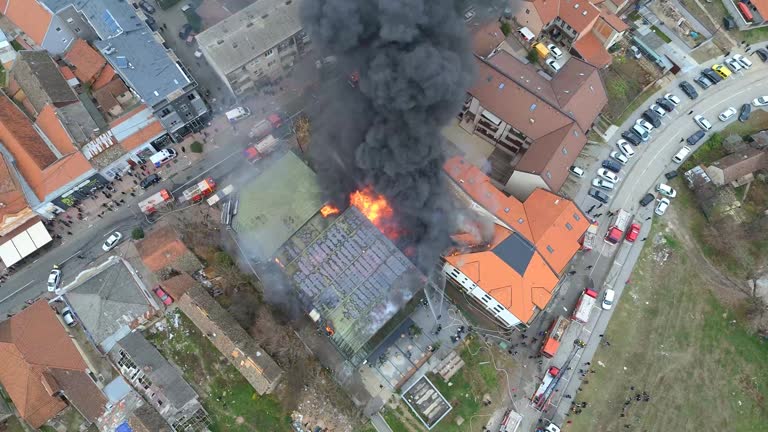
In the realm of commercial property management, safeguarding your investment from potential threats is paramount. Among the various risks that business owners must consider, fire hazards are particularly concerning due to their potential to cause significant damage, financial loss, and even endanger lives. Fires can spread rapidly, destroying property and assets that have taken years to build. Moreover, the aftermath of a fire can lead to operational downtime, legal liabilities, and a tarnished reputation, all of which can be devastating for any business.
Understanding and implementing effective fire protection systems is crucial for ensuring the safety of your commercial property. These systems serve as an essential line of defense against fire-related incidents, providing early detection, containment, and suppression of fires to minimize damage. Furthermore, having a robust fire protection strategy not only fulfills legal obligations but also enhances the trust and confidence of employees, customers, and stakeholders in your commitment to safety.
Fire protection systems are designed to detect, control, and extinguish fires, thereby minimizing damage and safeguarding occupants. These systems are essential for any commercial property and are often mandated by building codes and insurance requirements. The primary components of fire protection systems include fire alarm systems, sprinkler systems, and other specialized equipment. Beyond the basic components, these systems can be tailored to meet the specific needs and risks associated with different types of commercial properties, ensuring comprehensive protection.
Understanding the intricacies of fire protection systems involves recognizing how each component functions individually and collectively. A well-integrated system can significantly reduce the severity of fire incidents and enhance overall safety. Additionally, keeping abreast of advancements in fire protection technology can offer business owners enhanced options for safeguarding their premises. Whether it’s through innovative detection methods or eco-friendly suppression systems, staying informed can make a substantial difference in protection levels.
Fire Alarm Systems
Fire alarm systems are the first line of defense in alerting occupants to the presence of fire. These systems detect smoke, heat, or flames and trigger an audible and visual alarm throughout the building. This early warning system allows for timely evacuation and can significantly reduce the risk of injury or death. By providing an immediate alert, fire alarm systems help ensure that occupants can exit the premises safely and that emergency responders can be notified promptly.
- Components of Fire Alarm Systems: Typically, a fire alarm system comprises smoke detectors, heat detectors, manual pull stations, alarm sounders, and control panels. These components work together to provide comprehensive coverage and rapid notification. Each component plays a critical role in the system’s overall effectiveness, from detecting the first signs of fire to alerting occupants and emergency services.
- Types of Fire Alarm Systems: There are two main types of fire alarm systems: conventional and addressable. Conventional systems divide the building into zones, while addressable systems allow for more precise identification of the alarm location, making them ideal for larger properties. Addressable systems offer the added advantage of reducing false alarms and facilitating more efficient maintenance by pinpointing the exact location of issues within the system.
Sprinkler Systems
Sprinkler systems play a critical role in controlling and extinguishing fires before they can spread. These systems are highly effective and are often a requirement for commercial properties. When a fire is detected, the sprinkler system activates, releasing water to suppress the flames and prevent the fire from spreading. The presence of sprinkler systems can significantly reduce the potential for fire-related damage and enhance the safety of building occupants.
- How Sprinkler Systems Work: Sprinkler systems are comprised of a network of pipes filled with water. Each sprinkler head is equipped with a heat-sensitive element that triggers the release of water when the temperature reaches a specific threshold. This targeted approach ensures that water is only released in areas where it is needed, minimizing water damage while effectively controlling the fire.
- Types of Sprinkler Systems: There are several types of sprinkler systems, including wet pipe, dry pipe, pre-action, and deluge systems. Wet pipe systems are the most common, with water constantly in the pipes. Dry pipe systems, on the other hand, contain pressurized air and are ideal for environments where pipes may freeze. Pre-action systems are a hybrid, requiring a two-step activation process, and deluge systems are used in high-hazard areas, delivering large volumes of water quickly.
Importance of Regular Maintenance
To ensure fire protection systems function correctly during an emergency, regular maintenance is essential. Routine inspections and testing can identify potential issues before they become critical failures. By maintaining these systems, business owners can ensure that they are fully operational and reliable in the event of a fire, reducing the risk of system failure during a critical moment.
Inspection and Testing
- Fire Alarm Systems: Regularly inspect and test fire alarm systems to ensure all components are operational. This includes checking detectors, control panels, and alarm sounders for functionality. It is also important to verify that the system’s backup power source is in working order. Scheduled maintenance checks can prevent false alarms and ensure system reliability, providing peace of mind to property owners and occupants alike.
- Sprinkler Systems: Inspect sprinkler heads for damage or obstruction and ensure that water pressure levels are adequate. Regular testing of the system’s flow and alarm devices should be conducted to confirm proper operation. Ensuring that all components are free from corrosion or debris will help maintain optimal performance and extend the system’s lifespan.
Compliance with Regulations
Fire protection systems must adhere to local building codes and regulations. Business owners should familiarize themselves with these requirements to ensure compliance. Non-compliance can result in fines, increased insurance premiums, or even closure of the business. It is crucial to stay updated on any changes to fire safety regulations, as compliance not only avoids penalties but also enhances the overall safety and reputation of the business.
Additionally, compliance with fire safety regulations often involves regular reporting and documentation of maintenance activities. Keeping accurate records demonstrates due diligence and can be invaluable during inspections or audits. Building a relationship with local fire authorities can also facilitate smoother compliance processes and access to valuable resources and guidance.
Selecting the Right Fire Protection System
Choosing the appropriate fire protection system for your commercial property depends on various factors, including the building’s size, occupancy type, and specific risks associated with the business operations. A tailored fire protection plan ensures that all potential hazards are addressed effectively and that the system is both cost-efficient and reliable.
Assessing Your Needs
- Building Size and Layout: Larger buildings or those with complex layouts may require more sophisticated systems, such as addressable fire alarms and advanced sprinkler configurations. The architectural design and intended use of the building can impact the type of systems needed, making a thorough assessment crucial for optimal protection.
- Occupancy Type: The nature of the business conducted within the property can influence the type of fire protection system needed. For example, properties dealing with flammable materials may require more robust systems. Understanding the specific hazards associated with different occupancy types allows for the selection of appropriate detection and suppression methods, ensuring comprehensive coverage.
Consulting with Professionals
Engage with fire protection experts to assess your property’s specific needs and recommend the most suitable systems. These professionals can help design, install, and maintain the systems, ensuring they meet all regulatory standards and provide optimal protection. Collaborating with experienced professionals can also provide access to the latest technologies and best practices, enhancing the overall effectiveness of the fire protection strategy.
Working with professionals also ensures that all installations are conducted correctly, minimizing the risk of system malfunctions. Ongoing professional support can facilitate regular updates and system enhancements, keeping the fire protection measures aligned with evolving standards and business needs.
The Role of Training and Preparedness
Even the most advanced fire protection systems are only effective if occupants know how to respond in the event of a fire. Training and preparedness empower individuals to act swiftly and correctly, minimizing confusion and potential harm during an emergency.
Employee Training
Conduct regular fire safety training sessions for employees, educating them on evacuation routes, the location and use of fire extinguishers, and the importance of responding promptly to alarms. Training should also cover specific roles and responsibilities during an emergency, ensuring that everyone knows how to contribute to a safe evacuation process.
In addition to basic fire safety, specialized training may be necessary for certain employees, particularly those responsible for critical operations or equipment. Encouraging a culture of safety within the workplace fosters vigilance and preparedness, enhancing the overall effectiveness of the fire protection strategy.
Fire Drills
Regular fire drills are an essential component of preparedness, ensuring that all occupants are familiar with evacuation procedures and can leave the building quickly and safely in an emergency. These drills provide an opportunity to identify potential issues in the evacuation process and make necessary adjustments.
Fire drills should be conducted at varying times and under different scenarios to ensure comprehensive preparedness. Feedback and debriefing sessions following drills can provide valuable insights and help refine emergency response plans, contributing to a safer and more resilient business environment.
Conclusion
Investing in fire protection systems for your commercial property is not just a regulatory requirement—it’s a critical component of safeguarding your business, employees, and customers. By understanding the different types of fire protection systems, ensuring regular maintenance, and fostering a culture of preparedness, business owners can effectively mitigate the risks associated with fire hazards. A proactive approach to fire safety not only protects assets and lives but also strengthens the business’s long-term sustainability and success.
By prioritizing fire safety, you not only protect your investment but also contribute to a safer community. Ensure your fire protection systems are up to date, compliant, and ready to perform when needed. Remember, the best time to prepare for a fire is before it happens. Embrace a comprehensive fire safety strategy that combines technology, training, and compliance to create a secure environment for everyone involved.