Flat Roofs vs Sloped Roofs: Which Works Better in Wildfire-Prone Areas
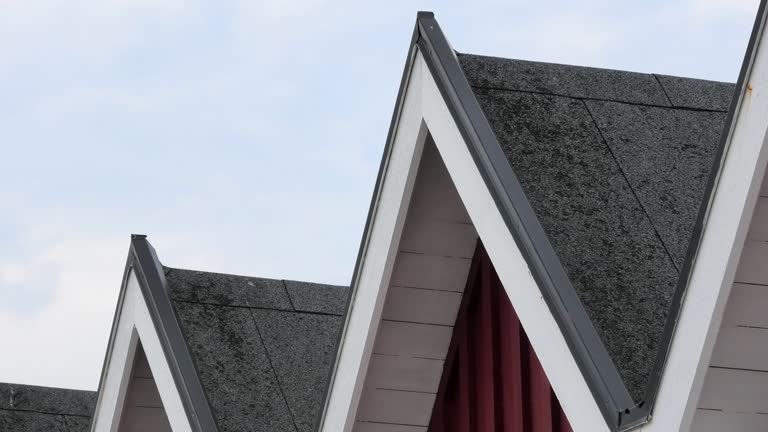
Choosing the right roof for your home is crucial, especially if you live in a wildfire-prone area. The decision between flat roofs and sloped roofs can significantly impact your home’s safety and resilience against wildfires. In this article, we’ll delve into the benefits and drawbacks of each roofing style to help you make an informed choice.
Roofs come in many shapes and styles, but the two most common types are flat roofs and sloped roofs. Each has its own advantages and disadvantages, particularly when it comes to withstanding the threats posed by wildfires.
Flat Roofs
Flat roofs, as the name suggests, are almost level, with a slight pitch to allow water drainage. This style is popular in modern architecture and urban areas due to its sleek, minimalist design and efficient use of space.
Sloped Roofs
Sloped roofs, on the other hand, have a noticeable pitch. They are more traditional and are commonly seen in residential areas. The slope can vary significantly, from a gentle incline to a steep pitch.
Wildfire Risks and Roofs
Understanding how wildfires interact with different roof types is essential for homeowners in high-risk areas. The roof is often the first line of defense against airborne embers and intense heat, both of which can ignite a structure.
How Wildfires Affect Roofs
During a wildfire, embers can travel miles ahead of the main fire and land on rooftops. If these embers find a flammable surface, they can ignite and cause significant damage. Therefore, the roofing material and design play a crucial role in a home’s fire resistance.
Flat Roofs in Wildfire-Prone Areas
Flat roofs have several features that affect their performance in wildfire-prone areas.
Advantages of Flat Roofs
- Easier Maintenance and Inspection: Flat roofs are easier to access, making it simpler to perform regular maintenance and inspections. This can help identify and remove debris that might catch fire.
- Space Utilization: The flat surface can be used for additional space, such as a rooftop garden or solar panels, which can also serve as fire-resistant barriers if designed correctly.
Drawbacks of Flat Roofs
- Debris Accumulation: Flat roofs are more prone to accumulating debris, such as leaves and twigs, which can be highly flammable. Regular cleaning is necessary to mitigate this risk.
- Water Drainage: Poor drainage can lead to water pooling, which might not directly relate to fire risk but can cause other structural issues that affect the roof’s integrity during a fire.
Sloped Roofs in Wildfire-Prone Areas
Sloped roofs also have their own set of characteristics that influence their performance in wildfire situations.
Advantages of Sloped Roofs
- Natural Debris Shedding: The incline of sloped roofs makes it harder for debris to accumulate, reducing the risk of ignition from embers.
- Improved Water Drainage: Sloped roofs naturally direct water away, preventing water pooling and maintaining the structural integrity of the roof.
Drawbacks of Sloped Roofs
- Accessibility: Sloped roofs are more challenging to access for maintenance and inspection, which can make it harder to remove any debris that does accumulate.
- Potential for Wind Damage: In areas prone to high winds, the slope can catch wind more easily, which might lead to damage that could compromise fire resistance.
Materials Matter
Regardless of the roof type, the materials used can significantly impact a roof’s fire resistance. Here are some common materials and their suitability for wildfire-prone areas:
Fire-Resistant Roofing Materials
- Metal Roofing: Metal roofs are highly resistant to fire and are an excellent choice for both flat and sloped roofs.
- Clay and Concrete Tiles: These materials are non-combustible and offer excellent fire resistance, making them suitable for sloped roofs.
- Asphalt Shingles with Fire-Resistant Treatment: While not inherently fireproof, treated asphalt shingles can provide some level of protection.
Importance of Underlayment
The underlayment beneath the roofing material is also vital. Using fire-resistant materials for underlayment can provide an additional layer of protection against embers and heat.
Making the Right Choice
When choosing between flat and sloped roofs for a home in a wildfire-prone area, consider both the advantages and drawbacks of each style in relation to your specific needs and location. Here are some key factors to help guide your decision:
- Local Climate and Weather: Consider the climate and typical weather patterns in your area. If high winds are common, a sloped roof might be more susceptible to damage. Conversely, if heavy rain is frequent, the drainage benefits of a sloped roof could be advantageous.
- Maintenance Capability: Assess your ability to perform regular maintenance on your roof. Flat roofs require more frequent debris removal, while sloped roofs might need professional inspection due to accessibility issues.
- Aesthetic Preferences: While safety is paramount, aesthetic preferences can also play a role in your decision. Consider how the roof style will complement your home’s architecture.
- Budget Considerations: Cost is always a factor. Flat roofs might be more economical initially but could incur higher maintenance costs over time. Sloped roofs might be more expensive upfront but offer longer-term benefits.
Conclusion
Both flat and sloped roofs have their merits and challenges when it comes to wildfire resistance. The key is to assess your specific situation, taking into account the local environment, your maintenance capabilities, and your personal preferences. By choosing the right roofing style and materials, you can enhance your home’s resilience against wildfires and protect your investment for the long term.
Remember, no roof can offer complete protection against a wildfire, but taking proactive measures can significantly reduce the risk and give you peace of mind.