How Copper Pipe Sprinkler Systems Work and Why They re Great for Wildfire Zones
In recent years, wildfires have become an increasingly pressing concern for many homeowners, particularly those living in fire-prone areas. The catastrophic nature of these fires not only threatens lives but also devastates properties and natural landscapes. As a result, finding effective methods to protect homes and properties from these destructive forces has become a top priority for communities and individuals alike. One solution that stands out is the copper pipe sprinkler system. In this article, we’ll dive into how these systems work, the benefits they offer, and why they are particularly suitable for wildfire zones.
Before we explore why copper pipe sprinkler systems are ideal for wildfire zones, it’s essential to understand their basic design. Sprinkler systems are designed to distribute water evenly over a designated area, forming a protective barrier. They consist of a network of pipes, valves, and sprinkler heads that work together to control water flow and coverage. This section will delve deeper into the intricacies of sprinkler system design.
A typical sprinkler system includes several key components that work in harmony to ensure effective operation:
- Water Supply: At the heart of the system, the water supply must be reliable and sufficient. This might involve connecting to a municipal water supply, a well, or a water storage tank. The availability and reliability of this source are critical, especially in emergency situations.
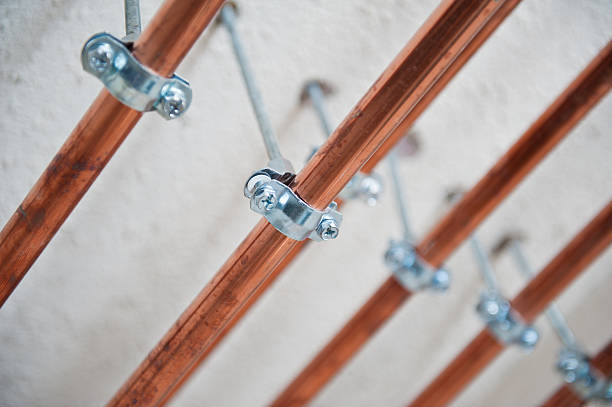
- Pipes: The network of pipes is responsible for transporting water from the source to various parts of the property. Copper pipes are favored not only for their durability but also for their ability to withstand high temperatures and resist corrosion, which is essential in the harsh conditions of a wildfire.
- Valves: Valves act as the control points within the system, managing the flow of water. They can be manually operated or automated, offering flexibility in how the system is controlled. Automated valves can be integrated with environmental sensors for responsive activation.
- Sprinkler Heads: These components are strategically placed to ensure even water distribution. They come in various designs to accommodate different spray patterns and distances. Proper placement is crucial for maximizing the system’s effectiveness in covering the entire area.
- Control System: The brain of the operation, the control system can range from a basic timer to sophisticated systems capable of detecting environmental changes. Advanced systems can adjust operations based on weather conditions or the presence of smoke or heat.
Copper pipes are a popular choice for sprinkler systems, especially in wildfire zones, due to their excellent properties. They offer several advantages that make them ideal for these high-risk areas:
- Resistance to Corrosion: Copper’s natural resistance to corrosion ensures longevity and reliability, even in harsh outdoor environments. This is particularly important for systems exposed to the elements over many years.
- High-Temperature Tolerance: Copper can withstand extreme temperatures without losing integrity, making it suitable for areas at risk of wildfires. Unlike plastic pipes, which may melt or degrade, copper maintains its structural integrity under fire conditions.
- Durability: The inherent strength of copper means it is less likely to suffer from mechanical damage or wear over time. This ensures that the system remains operational, providing consistent protection for properties.
Copper pipe sprinkler systems operate by delivering water through the network of pipes and out through the sprinkler heads. When activated, the system releases water in a controlled manner, dousing the area to reduce the risk of fire spreading. Let’s explore the mechanisms and principles that underpin their operation.
Sprinkler systems can be activated in several ways, providing flexibility and responsiveness:
- Manual Activation: In this setup, homeowners turn on the system when they perceive a fire threat. This method relies on human intervention, which can be beneficial if the homeowner is present and aware of the threat.
- Automated Systems: These systems use sensors to detect heat or smoke and automatically activate the sprinklers. This feature is particularly beneficial in wildfire zones, where fires can start and spread quickly. Automation ensures a rapid response even if the homeowner is not present.
- Remote Control: Some advanced systems allow for remote activation via smartphone apps or other devices. This provides homeowners with the ability to activate their systems from a distance, offering peace of mind when away from home.
The sprinkler heads are designed to distribute water evenly across the designated area. This distribution is key to creating an effective barrier:
- Even Coverage: By ensuring that water is spread uniformly, the system prevents dry spots where fires could gain a foothold. Properly positioned and adjusted sprinkler heads are critical to achieving this uniformity.
- Cooling and Saturation: The water serves to cool surfaces and saturate combustible materials, reducing their likelihood of igniting. This not only protects the property itself but also helps to prevent the spread of fires to neighboring areas.
- Barrier Creation: The water effectively forms a barrier that can slow down or stop the progression of fire, buying valuable time for emergency responders and reducing potential damage.
Now that we understand how these systems work, let’s explore why they are an excellent choice for wildfire-prone areas. The benefits of copper pipe sprinkler systems extend beyond basic protection, offering several advantages that make them particularly suitable for these environments.
Copper pipes can withstand extreme temperatures without losing integrity. This property is crucial in wildfire zones, where temperatures can soar:
- Temperature Tolerance: Unlike some materials that may melt or become compromised, copper maintains its strength and functionality in high heat. This ensures that the system will continue to operate effectively even when exposed to intense fire conditions.
- Fire Resilience: Copper’s fire-resistant properties provide an additional layer of security, ensuring that the system itself does not contribute to fire risks by failing or breaking down.
- Safety Assurance: Homeowners can have confidence in the system’s ability to perform under the most challenging conditions, providing peace of mind and enhancing overall safety.
Copper is a highly durable material. It resists corrosion and degradation over time, ensuring that the sprinkler system remains operational for many years:
- Long-Term Investment: The longevity of copper systems makes them a cost-effective investment for homeowners in fire-prone areas. While the initial cost may be higher than other materials, the reduced need for repairs and replacements offers savings in the long run.
- Minimal Maintenance: Copper’s resistance to environmental wear and tear means that systems require less maintenance. This reduces the ongoing costs and efforts associated with system upkeep.
- Consistent Performance: The durability of copper ensures that the system will continue to deliver reliable performance throughout its lifespan, maintaining its protective capabilities without frequent intervention.
Copper is a natural element and is fully recyclable. Using copper pipes in sprinkler systems has a lower environmental impact compared to other materials that may not be as sustainable:
- Sustainability: The use of a recyclable material like copper minimizes the ecological footprint of sprinkler systems. This aligns with broader environmental goals and initiatives aimed at reducing waste and conserving resources.
- Recyclability: At the end of its life, copper can be recycled and repurposed, reducing the need for new raw materials and supporting a circular economy.
- Reduced Environmental Impact: By choosing copper, homeowners contribute to environmentally responsible practices, ensuring that their efforts to protect their property do not come at a cost to the planet.
Copper pipe sprinkler systems offer reliable performance due to their robust construction. In the event of a fire, homeowners can trust that their system will function as intended, providing critical protection when it’s needed most:
- Dependability: The robust nature of copper ensures that systems are less prone to failure or malfunction, providing consistent protection when it matters most.
- Peace of Mind: Knowing that the system is built to withstand the rigors of fire-prone environments allows homeowners to focus on other emergency preparedness measures with confidence.
- Effective Protection: The reliability of copper systems ensures that they can effectively mitigate the risk of fire damage, preserving both property and lives.
Installing a copper pipe sprinkler system requires careful planning and execution. Here’s a brief overview of what homeowners can expect during the installation process. Understanding the installation steps can help homeowners prepare and ensure a smooth implementation.
The first step in installation is designing the system layout. This involves determining the optimal placement of pipes and sprinkler heads to ensure even coverage:
- Site Assessment: Professional installers will assess the property’s unique needs, considering factors such as landscape, building structure, and fire risk areas. This information is crucial for creating an effective design.
- Customization: The design process is highly customized, taking into account the specific requirements and preferences of the homeowner. This ensures that the system meets the unique challenges and constraints of each property.
- Strategic Placement: Proper planning ensures that sprinkler heads are strategically placed to maximize coverage and effectiveness. This planning is critical to achieving optimal system performance.
Once the design is finalized, trenches are dug to accommodate the pipes. Copper pipes are then laid in these trenches, ensuring they are securely connected and properly aligned:
- Groundwork Preparation: The trenching process involves careful excavation to ensure that pipes can be laid without obstruction. Proper groundwork is crucial for the longevity and effectiveness of the system.
- Pipe Alignment: Ensuring that pipes are correctly aligned and securely connected is essential for preventing leaks and maintaining consistent water flow. This step requires precision and expertise.
- Professional Installation: Hiring experienced professionals for installation ensures that the system is installed to the highest standards, reducing the risk of future issues.
The system is connected to a reliable water source. This connection must be secure to prevent leaks and ensure consistent water flow when the system is activated:
- Water Source Integration: The integration of the system with the water supply must be carefully managed to ensure adequate pressure and flow. This involves technical expertise to achieve optimal performance.
- Leak Prevention: Ensuring that connections are secure and leak-free is critical for the reliability and efficiency of the system. Any potential issues should be addressed during installation to prevent future complications.
- Pressure Testing: Once connected, the system is often pressure-tested to verify that it can handle the demands of operation without failure.
After installation, the system is thoroughly tested to ensure everything is functioning correctly. Any necessary adjustments are made to optimize performance:
- System Testing: Comprehensive testing is conducted to verify that all components are functioning as intended. This includes checking for leaks, ensuring even water distribution, and verifying the operation of valves and controls.
- Adjustments and Calibration: If any issues are identified during testing, adjustments and calibrations are made to correct them. This ensures that the system operates at peak performance.
- Final Approval: Once testing and adjustments are complete, the system is approved for use, providing homeowners with a fully operational defense against wildfires.
Copper pipe sprinkler systems are a robust and reliable choice for homeowners in wildfire zones. Their high heat resistance, durability, and environmental benefits make them an ideal solution for protecting properties from the threat of wildfires. By understanding how these systems work and what to expect during installation, homeowners can make informed decisions to safeguard their homes and loved ones.
If you live in a fire-prone area, consider investing in a copper pipe sprinkler system. Its benefits extend beyond fire protection, offering peace of mind and long-term value. The investment not only secures your property but also contributes to a safer and more sustainable environment.