How Your Roofing Choice Impacts Fire Safety and Wildfire Resistance
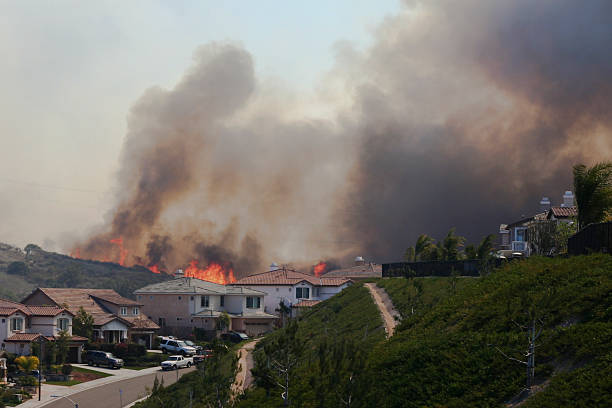
When it comes to protecting your home, choosing the right roofing material is crucial, especially if you live in an area prone to wildfires. Not only does your roof serve as the first line of defense against the elements, but it also plays a significant role in your home’s overall fire safety. The roof is often one of the most vulnerable parts of a home during a wildfire, as embers can easily ignite it if it’s not made of fire-resistant materials. In this article, we will explore how different roofing materials impact fire safety and how you can make informed decisions to enhance your home’s wildfire resistance.
Understanding the importance of fire-resistant roofing goes beyond just the material itself. It encompasses the overall design, installation, and maintenance of the roof. Each aspect plays a part in ensuring that your roof can withstand the threat of fire. Therefore, a comprehensive approach to roofing not only involves selecting the best materials but also ensuring they are installed correctly and maintained regularly. This holistic approach can significantly contribute to the safety and security of your home in fire-prone areas.
The primary function of your roof is to protect your home from external threats, including fire. In areas susceptible to wildfires, having a fire-resistant roof is not just an option but a necessity. Roofing materials are rated based on their ability to withstand fire exposure. These ratings help homeowners understand the level of protection each material provides. A higher rating indicates better resistance to fire, which is crucial for homes located in regions with frequent wildfires.
In addition to the fire rating, other factors such as the roof’s shape and pitch can influence its fire safety. For instance, a steeply pitched roof can shed debris more easily than a flat one, reducing the likelihood of accumulated materials catching fire. Proper sealing around roof penetrations and vents also plays a critical role in preventing fire from finding a way into the home. Understanding these nuances can help homeowners make better-informed decisions when selecting and maintaining their roofs.
Roofing Material Fire Ratings
Roofing materials are classified into three main categories based on their fire resistance: Class A, Class B, and Class C. These categories are determined by standardized testing, which assesses the material’s ability to withstand direct flame, resist spread, and prevent penetration.
- Class A: Provides the highest level of fire resistance and is effective against severe fire exposure. Materials in this category include slate, concrete tiles, and metal roofing. Class A roofs are often recommended for homes in high-risk areas due to their superior performance in fire scenarios.
- Class B: Offers moderate fire resistance and is effective against moderate fire exposure. Some treated wood shingles fall into this category. While not as robust as Class A materials, Class B roofs can still provide adequate protection when combined with other fire-preventative measures.
- Class C: Provides the lowest level of fire resistance and is effective against light fire exposure. Untreated wood shingles and some asphalt shingles are examples. These materials may be suitable for areas with a lower risk of wildfires, but they require additional protective strategies to enhance safety.
Choosing a Class A roofing material is recommended for maximum fire safety, especially in wildfire-prone regions. However, it is also important to consider other aspects of fire safety, such as the installation quality and ongoing maintenance, to ensure the roof’s effectiveness over time.
Fireproof Roofing Materials
When considering fire safety, selecting the right roofing material is paramount. Let’s take a closer look at some of the most fire-resistant options available. These materials not only offer excellent protection against fire but also provide aesthetic and practical benefits that can enhance the overall value of your home.
Selecting the right roofing material involves a balance between fire safety, cost, aesthetics, and durability. While some materials may offer superior fire resistance, they might also come with higher upfront costs or specific installation requirements. Homeowners should weigh these factors carefully to choose a solution that meets both their safety needs and budget constraints.
Metal Roofing
Metal roofing is an excellent choice for fire safety. It is non-combustible and can withstand high temperatures. Additionally, metal roofs are durable, long-lasting, and require minimal maintenance. They are available in various styles and colors, making them a versatile option for homeowners. The reflective properties of metal roofing can also contribute to energy efficiency, reducing cooling costs during hot seasons.
Despite its benefits, metal roofing can be more expensive than some other options. However, the investment can pay off over time through reduced maintenance and potential insurance discounts for homes with fire-resistant features. Metal roofs are also environmentally friendly, as they are often made from recycled materials and can be recycled again at the end of their lifespan.
Slate and Tile Roofing
Slate and concrete tiles are highly fire-resistant materials that offer a natural and elegant appearance. They are heavy and require strong structural support but provide excellent protection against fire. While the initial cost may be higher, their durability and fire resistance make them a worthwhile investment. These materials can withstand extreme weather conditions, adding another layer of protection to your home.
The weight of slate and tile roofing can be a consideration for homeowners, as it may necessitate additional structural support. However, their longevity and minimal maintenance requirements often offset these initial challenges. Furthermore, slate and tile roofs can significantly enhance a home’s curb appeal, increasing its market value.
Asphalt Shingles
Asphalt shingles are a popular roofing choice due to their affordability and availability. However, not all asphalt shingles are created equal. Look for shingles that have a Class A fire rating, as they are treated to enhance fire resistance. These shingles provide a cost-effective solution without compromising on safety.
While asphalt shingles offer many advantages, they do have a shorter lifespan compared to some other materials like metal or slate. Regular inspections and maintenance are essential to ensure their continued effectiveness. Choosing high-quality, fire-rated shingles can mitigate some of these concerns, providing a balance between cost and safety.
Composite Roofing
Composite roofing materials are engineered to mimic the appearance of natural materials like wood or slate while offering enhanced fire resistance. These materials are lightweight, durable, and often come with a Class A fire rating. Composite roofing is a versatile option that can suit various architectural styles and homeowner preferences.
In addition to their fire-resistant properties, composite roofs are often designed to resist other elements such as wind, hail, and UV rays. This makes them an attractive choice for homeowners seeking a comprehensive solution to various environmental challenges. While they may require a higher initial investment, their durability and low maintenance needs can result in long-term savings.
Conducting Fire Safety Inspections
Regular fire safety inspections are crucial to ensure that your roofing system remains in optimal condition and continues to provide the necessary protection. Here are some key steps to include in your inspection process. Conducting thorough inspections can also help identify potential issues before they become serious problems, saving time and money on repairs.
Inspections should be part of a broader home maintenance routine that includes checking other areas of the property for fire hazards. By integrating roof inspections into a comprehensive safety strategy, homeowners can maximize their efforts to protect their homes against fire threats.
Check for Damage
Inspect your roof for any signs of damage, such as missing or cracked shingles, loose tiles, or rusted metal. Damaged areas can compromise the fire resistance of your roof, making it essential to address any issues promptly. Regular inspections can help catch these problems early, preventing them from escalating into more significant hazards.
In addition to visual inspections, consider enlisting professional help to conduct thorough assessments, especially after severe weather events. Professionals can provide insights into less obvious issues and recommend effective solutions to maintain your roof’s integrity and fire resistance.
Clear Debris
Debris, such as leaves and branches, can accumulate on your roof and pose a fire hazard. Regularly clearing your roof of debris will help maintain its fire resistance and prevent potential ignition sources from accumulating. This simple maintenance task can significantly reduce the risk of fire spreading to your home.
In areas prone to heavy leaf fall, more frequent cleaning may be necessary to ensure that debris does not build up. Homeowners can also install gutter guards to minimize debris accumulation and simplify maintenance efforts. Consistent debris removal contributes to both fire safety and the overall health of the roofing system.
Evaluate Roof Vents and Openings
Ensure that roof vents and openings are covered with non-combustible mesh to prevent embers from entering your home. Properly sealed vents and openings can significantly reduce the risk of fire penetration. This precaution is especially important in wildfire-prone areas, where embers can travel significant distances and ignite vulnerable areas.
Regularly inspecting vents and other openings for damage or wear can help maintain their effectiveness. Upgrading to fire-resistant materials for these components can further enhance your home’s protection. Proper ventilation also supports roof health by preventing moisture buildup and prolonging the lifespan of roofing materials.
Enhancing Wildfire Resistance
Beyond choosing fire-resistant roofing materials, there are additional steps you can take to enhance your home’s wildfire resistance. These measures work in tandem with a fire-resistant roof to create a comprehensive strategy for safeguarding your property. Implementing these strategies can provide peace of mind and increase your home’s resilience against fire threats.
By adopting a holistic approach to wildfire resistance, homeowners can address multiple aspects of their property’s vulnerability to fire. This comprehensive strategy helps ensure that all potential entry points and risks are minimized, offering a higher level of safety for the home and its occupants.
Maintain a Defensible Space
Create a defensible space around your home by clearing vegetation, trimming trees, and maintaining a buffer zone. This space can slow the spread of wildfires and provide firefighters with a safer area to work. The defensible space acts as a barrier, reducing the intensity of approaching fires and lowering the risk of ignition.
Regularly reviewing and updating the defensible space is crucial, as vegetation can quickly regrow and alter the landscape. Homeowners should also consider working with local fire authorities to ensure that their defensible space meets recommended guidelines and maximizes protection.
Use Fire-Resistant Landscaping
Incorporate fire-resistant plants and materials in your landscaping to reduce the risk of fire spreading to your home. Consider using gravel or stone instead of mulch and planting low-growing, fire-resistant plants. These choices can help create a landscape that is less likely to ignite and burn intensely.
Educating yourself about the specific fire-resistant plants suitable for your region can enhance your landscape’s effectiveness. Fire-resistant landscaping not only contributes to safety but can also add beauty and value to your property, creating an attractive and secure environment.
Install Fire-Resistant Gutters
Fire-resistant gutters can help prevent embers from igniting debris in your gutters. Consider installing metal gutters with covers to reduce the risk of fire. These gutters are designed to withstand high temperatures and prevent the buildup of flammable materials.
Regularly cleaning and maintaining gutters is still essential, even with fire-resistant materials. Ensuring that gutters are free from debris and in good condition will maximize their effectiveness in protecting your home. Additionally, fire-resistant gutters can complement other fire safety measures, providing an integrated approach to wildfire protection.
Conclusion
Choosing the right roofing material is a critical step in ensuring your home’s fire safety and wildfire resistance. By selecting materials with a high fire rating and maintaining your roof through regular inspections and maintenance, you can significantly reduce the risk of fire damage. Additionally, enhancing your home’s overall wildfire resistance through strategic landscaping and defensible space creation can further protect your property. Remember, investing in fire safety measures today can save your home and loved ones from potential devastation tomorrow.
Taking a proactive approach to fire safety not only protects your physical assets but also provides peace of mind. In a world where wildfires are becoming increasingly common, being prepared is more important than ever. By staying informed and implementing the strategies outlined in this article, homeowners can take meaningful steps toward safeguarding their homes and families from fire threats.