Roof Underlayment Guide: Why It Matters More Than You Think
You see the shingles every day—the tough, visible armor protecting your home from the elements. But what if the real secret to a leak-proof roof is a hidden layer you’ll never see? This guide reveals that invisible protector, one of the most important roofing materials you can choose when investing in your home’s safety.
Think of roof underlayment as a high-quality raincoat worn under a winter coat. While your shingles (the outer coat) block most of the storm, the underlayment is the essential backup that truly keeps your home dry, turning your roof from a single surface into a complete waterproof system.
This secondary protection makes all the difference. According to roofing professionals, a single shingle damaged in a storm is a minor issue when proper underlayment is in place. Without it, that small gap becomes a direct gateway for water into your attic, leading to the kind of costly damage homeowners dread.
Felt vs. Synthetic: Choosing Between the Old Standard and the Modern Upgrade
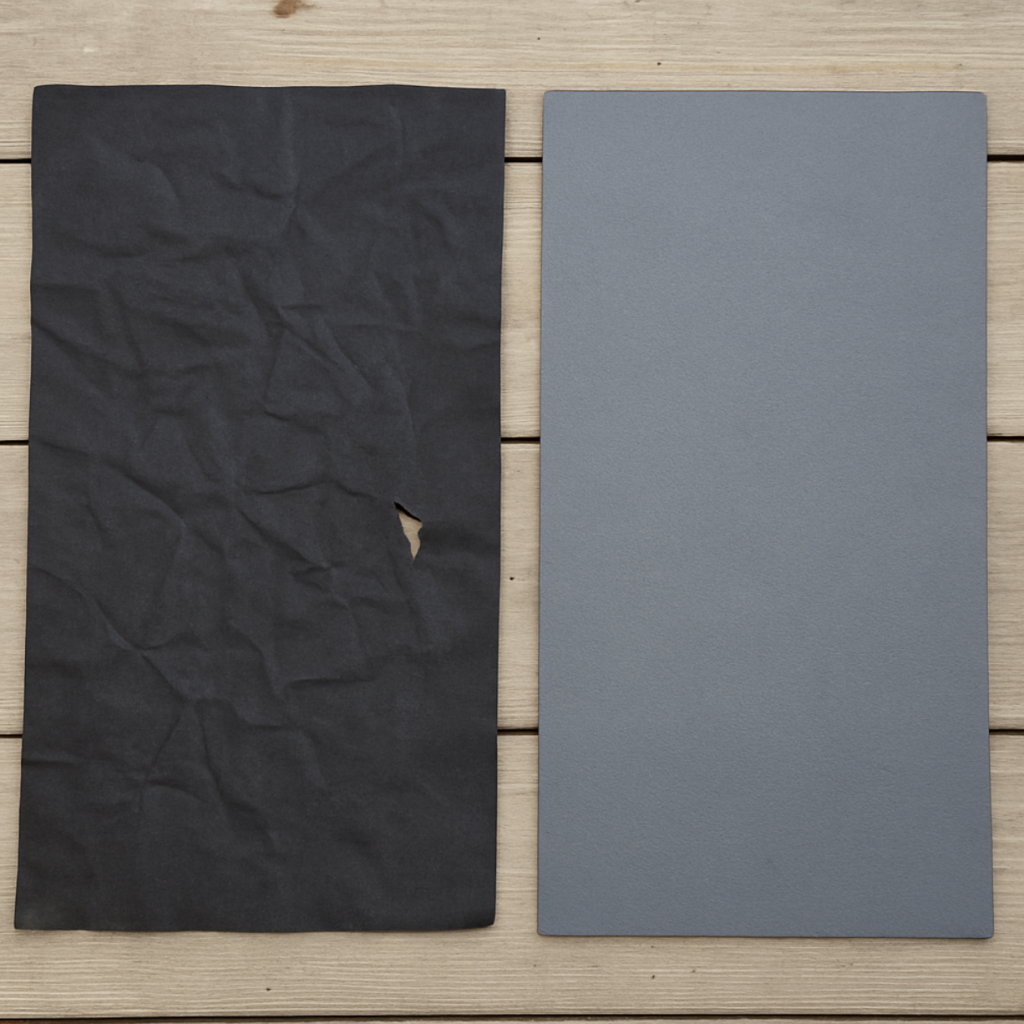
When selecting your roof’s hidden protective layer, you have two main choices. For decades, the standard was asphalt felt—a thick paper soaked in asphalt. While it did the job, this material can tear easily during installation and may absorb moisture over time, causing it to wrinkle and fail long before your shingles give out.
The modern alternative is synthetic underlayment, an engineered fabric that’s more like a lightweight, tough tarp. It’s highly tear-resistant, repels water instead of absorbing it, and provides a safer, grippier surface for installers to walk on. This durability is critical because it ensures your roof’s backup water barrier remains perfectly intact from the moment it’s installed.
While the cost of synthetic roofing underlayment is slightly higher, it’s a smart investment in the longevity of your entire roof. You’re protecting a multi-thousand-dollar asset from leaks and premature failure. This small upgrade buys significant long-term security, ensuring the foundation of your roof is as strong as the shingles on top.
For most homeowners today, the synthetic vs felt roof underlayment decision is clear: synthetic offers superior protection and peace of mind. But what about the most vulnerable parts of your roof, like the edges and valleys where ice and water tend to collect? For these high-risk areas, even a great underlayment might not be enough.
Do I Need an “Ice and Water Shield”? Your Guide to Bulletproof Leak Protection
If you live in a cold climate, you’ve probably seen thick icicles hanging from a roof’s edge. While pretty, they’re often a sign of an “ice dam”—a ridge of ice that blocks melting snow from draining away. This trapped water then pools up and can travel backward, seeping underneath your shingles in a way they were never designed to handle. A standard underlayment may not stop this invasive water, potentially leading to a leaking roof underlayment repair that happens deep within your walls.
To combat this threat, roofers use a specialized membrane called an Ice and Water Shield. Think of it as a thick, rubberized, and sticky sheet applied to the wood of your roof deck in the most vulnerable spots, like the eaves. Its superpower is that it’s self-sealing. When nails are driven through it to attach shingles, the rubbery material forms a tight, waterproof gasket around each nail. This makes the answer to “is roof underlayment waterproof?” a definite yes in these critical areas.
When a contractor’s quote includes this shield, it isn’t an upsell; it’s a sign they are building your roof correctly for your climate. The ice and water shield requirements are a crucial part of preventing costly, hidden water damage in any region that gets snow and ice.
Metal Roofs Have a Different Playbook: Why Underlayment Choice is Critical
A metal roof is a fantastic long-term investment, but it creates a unique challenge. Think of how a cold glass “sweats” on a hot day; the same thing happens under metal panels as condensation forms and drips. The answer to “do I need underlayment for a metal roof?” is a definite yes, but it must handle both extreme heat and moisture.
That intense heat is where standard products fail. The asphalt in old-fashioned felt can literally soften and stick to the back of the hot metal. Even a basic synthetic underlayment isn’t designed for these temperatures and can turn brittle, losing its ability to protect the wood structure of your roof from that condensation.
To solve this, contractors use a special high-temperature synthetic metal roof underlayment. It’s engineered to perform under intense heat without degrading. Many of these offer breathable roof underlayment benefits, allowing moisture to escape before it can cause rot. This isn’t an upgrade—it’s essential for ensuring your roof investment lasts.
How to Discuss Underlayment With Your Roofer (And Avoid Costly Mistakes)
When comparing roofing quotes, it’s natural to focus on the final price. The real story of a job’s quality, however, is often hidden in the details for the roofing materials. A quote that seems like a bargain may rely on older, less durable felt underlayment. While this lowers the initial roof underlayment replacement cost, it can create a weak link in your brand-new roofing system, putting your entire investment at risk.
To truly understand the value you’re being offered, you need to look past the shingles. Asking a few specific questions about this unseen layer reveals a contractor’s commitment to quality and their knowledge of how to install roofing underlayment for maximum protection.
3 Key Questions to Ask About Your Roofing Quote:
- What specific brand and type of underlayment is included? (e.g., #15 felt, a specific synthetic brand?)
- Are you installing an Ice and Water Shield? If so, where on the roof will it be placed?
- Does the underlayment have its own warranty, and how does that support the shingle warranty?
A contractor who confidently recommends a high-performance synthetic isn’t trying to upsell you; they are trying to build a roof that lasts. A quote that includes premium underlayment might be slightly higher, but that small difference is what ensures your 30-year shingles are sitting on a foundation that can actually support them for 30 years.
Your Roof’s Real Insurance Policy
Beneath the shingles lies a critical ‘raincoat’—the underlayment—providing the true waterproofing security for your home. This knowledge transforms you from a spectator into an informed homeowner, ready to protect your biggest investment. Now, when reviewing a quote, you can look past the shingle brand and find the underlayment line item. That single detail proves whether your contractor is building a roof designed to last, turning a standard job into a real insurance policy for your home.