Roofing Materials That Meet Fire-Code Requirements in Wildfire-Prone Areas
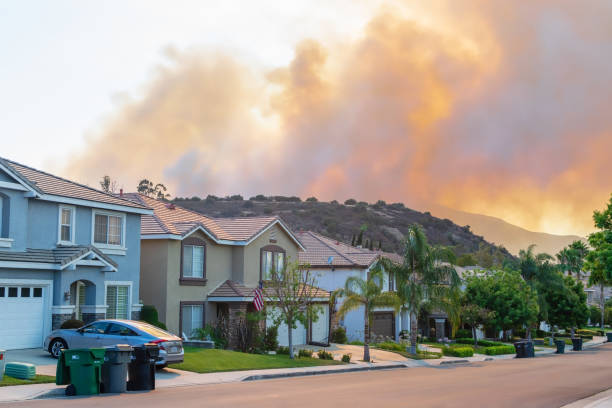
Living in an area susceptible to wildfires demands careful consideration of every aspect of home construction, particularly when it comes to roofing. Your roof is one of the most exposed and vulnerable parts of your home during a wildfire, and choosing the right materials can be the difference between safety and disaster. The materials you select must not only comply with local fire codes but also offer the highest resistance to fire to prevent flames from spreading. This guide delves into the various roofing options available that are both fire-resistant and compliant with current fire safety standards, ensuring that your home is as protected as possible.
Understanding Fire Ratings for Roofing Materials
Before considering specific roofing materials, it’s essential to understand the fire rating system that evaluates their fire resistance. Roofing materials are rated based on their ability to withstand fire exposure, classified into three categories: Class A, B, and C. These ratings are crucial for assessing how well a material can protect your home during a wildfire.
- Class A: Materials with a Class A rating provide the highest level of fire resistance. They are designed to withstand severe fire exposure without allowing flames to spread. This level of protection makes them ideal for homes in high-risk wildfire areas, as they offer the best defense against intense fires.
- Class B: These materials offer a moderate level of fire resistance, suitable for areas with a moderate fire threat. They can handle moderate fire exposure and provide a reasonable degree of protection.
- Class C: Class C materials offer the most basic level of protection and are effective against light fire exposure. While they are not recommended for high-risk areas, they can be used in regions with minimal wildfire threats.
Understanding these ratings is crucial in making an informed decision about roofing materials, especially in wildfire-prone areas where Class A materials are strongly recommended for maximum safety.
Popular Fire-Resistant Roofing Materials
Asphalt Shingles
Asphalt shingles are among the most widely used roofing materials due to their cost-effectiveness and ease of installation. When treated with fire-retardant chemicals, asphalt shingles can achieve a Class A fire rating, making them a viable option for fire-prone areas. It’s essential to specifically select shingles labeled as fire-resistant to ensure they meet necessary safety standards. Additionally, asphalt shingles are available in a variety of styles and colors, allowing homeowners to maintain aesthetic appeal without compromising on safety.
Beyond their fire resistance, asphalt shingles also offer good performance in various weather conditions. They provide a reliable barrier against rain and wind, which is crucial in maintaining the structural integrity of your home. Their affordability and versatility make them a popular choice for many homeowners looking for a balance between cost and safety.
Metal Roofing
Metal roofing is renowned for its durability and longevity, with many metal roofs lasting several decades. One of the standout features of metal roofing is its excellent fire resistance. Most metal roofing materials naturally meet Class A fire code requirements, providing superior protection against fires. In addition to their fire-resistant properties, metal roofs reflect heat away from your home, which is an added advantage in hot, wildfire-prone regions.
Metal roofs are also environmentally friendly, as they are often made from recycled materials and can be fully recycled at the end of their lifespan. This makes metal roofing not only a practical choice for fire safety but also a sustainable option for environmentally conscious homeowners. The sleek and modern appearance of metal roofing can also enhance the overall aesthetic of your home.
Clay and Concrete Tiles
Clay and concrete tiles are another excellent choice for fire-resistant roofing. These materials are inherently non-combustible, meaning they do not ignite easily and are highly effective in preventing the spread of fire. Clay and concrete tiles typically carry a Class A fire rating, ensuring maximum protection for homes in wildfire-prone areas. However, due to their weight, it’s crucial to verify that your home’s structure can support them before installation.
Besides their fire-resistant qualities, clay and concrete tiles offer excellent thermal performance, helping to regulate indoor temperatures. This energy efficiency can lead to savings on cooling costs in hot climates. The aesthetic appeal of clay and concrete tiles, with their classic and timeless appearance, also adds to their popularity among homeowners seeking both beauty and functionality.
Slate Roofing
Slate is a natural stone product that offers exceptional fire resistance, making it a top choice for fire-prone areas. Like clay and concrete tiles, slate is non-combustible and typically carries a Class A fire rating, providing superior protection against wildfires. Slate is also renowned for its durability and longevity, often lasting over a century with proper maintenance. However, it can be more expensive than other roofing options, which may be a consideration for some homeowners.
The unique, elegant appearance of slate roofing adds a touch of sophistication to any home, enhancing its curb appeal. Additionally, slate is environmentally friendly, as it is a natural material that requires minimal processing. The initial investment in slate roofing can be offset by its long lifespan and minimal maintenance requirements, making it a worthwhile consideration for those prioritizing safety and durability.
Considerations for Roofing Materials in Wildfire Areas
When selecting roofing materials for wildfire safety, several factors beyond just the fire rating should be taken into account. Ensuring that your roof is properly installed and maintained is essential for maximizing its protective capabilities.
Installation Quality
The effectiveness of fire-resistant roofing materials can be significantly compromised if they are not installed correctly. It’s crucial to work with a roofing contractor who has experience with fire-resistant installations and understands the specific requirements of these materials. Proper sealing, flashing, and ventilation are vital to prevent embers from penetrating your home. A well-installed roof can make all the difference in preventing fire damage, ensuring that your investment in fire-resistant materials pays off.
Quality installation also involves adhering to manufacturer guidelines and using appropriate techniques to ensure a secure fit. This includes using the right fasteners, ensuring proper overlaps, and sealing all joints and edges. By focusing on installation quality, you can enhance the overall fire resistance of your roof and protect your home more effectively.
Maintenance
Regular maintenance is crucial for any roof, especially those in wildfire-prone areas. Keeping your roof free of debris, such as leaves, branches, and other combustible materials, is essential in reducing the risk of fire. Accumulated debris can easily ignite, posing a significant threat to your home’s safety. Inspect your roof annually to check for any damage or wear that could compromise its fire-resistant properties, and address any issues promptly to maintain its integrity.
In addition to removing debris, maintenance involves checking for any signs of deterioration, such as cracked or missing shingles, rust on metal roofs, or damaged tiles. Addressing these issues promptly can prevent them from escalating into more significant problems that could affect your roof’s fire resistance. Regular maintenance not only enhances safety but also extends the lifespan of your roofing materials.
Local Building Codes
Compliance with local building codes is a non-negotiable aspect of selecting roofing materials. Building codes are designed to ensure that homes are constructed to withstand the specific risks associated with their location, including wildfire threats. These codes can vary depending on the level of wildfire risk in your area, so it’s essential to be informed and ensure that your chosen materials meet all regulatory requirements. Consulting with local authorities or a knowledgeable contractor can help you navigate these regulations and make informed decisions about your roofing materials.
Understanding and adhering to local building codes not only ensures compliance but also maximizes the effectiveness of your fire-resistant roofing materials. It is a critical step in safeguarding your home against wildfires and ensuring that your investment in safety measures is well-placed.
Additional Roofing Safety Tips
While choosing the right materials is a critical step in wildfire preparedness, additional measures can further protect your home and enhance its resilience against fires.
Create Defensible Space
Creating a defensible space around your home involves clearing vegetation and combustible materials away from your house. This space acts as a buffer to slow the spread of wildfire and protect your home from direct flames. Ideally, maintain a defensible space of at least 30 feet around your home, removing any dead plants, dry leaves, and flammable materials. Regularly prune trees and shrubs to prevent them from becoming fire hazards, and consider using fire-resistant landscaping materials to enhance your home’s safety.
A defensible space not only reduces the risk of fire reaching your home but also provides a safer area for firefighters to operate should a wildfire approach. This proactive measure can significantly increase the chances of your home surviving a wildfire.
Install Fire-Resistant Barriers
Consider installing fire-resistant barriers under your roof decking. These barriers, such as fireproof membranes or fire-retardant materials, provide an additional layer of protection against heat and embers that might penetrate your roof. They are particularly useful in preventing the ignition of your roof structure from below, offering peace of mind during wildfire threats.
Fire-resistant barriers can be installed during the initial roofing process or added during a roof replacement or renovation. They represent a relatively low-cost investment that can greatly enhance your home’s fire safety.
Use Ember-Resistant Vents
Vents are necessary for home ventilation but can also be entry points for embers during a wildfire. Installing ember-resistant vents, designed to prevent embers from entering and igniting your home, is a crucial safety measure. These vents are typically equipped with fine mesh screens or baffles that block embers while allowing air to flow, maintaining proper ventilation without compromising safety.
Ember-resistant vents can be installed in attics, crawl spaces, and other areas where vents are necessary. They play a vital role in preventing the intrusion of embers, which are a leading cause of home ignitions during wildfires.
Conclusion
Selecting the right roofing materials is a vital step in protecting your home from wildfires. By choosing materials with a Class A fire rating and adhering to local building codes, you can significantly reduce the risk of fire damage. Remember to pair your material choice with proper installation, regular maintenance, and additional safety measures to ensure maximum protection for your home. By taking these precautions, you can have peace of mind knowing your home is better equipped to withstand the threat of wildfires. With the right approach, you can enhance your home’s safety and resilience, ensuring that it remains a secure haven even in the face of wildfire risks.