Understanding Flat-Roof Systems: TPO, PVC, Built-Up – Which One Makes Sense in SoCal?
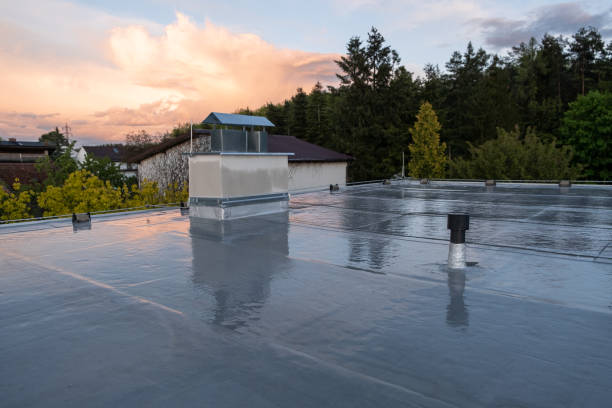
# Understanding Flat-Roof Systems: TPO, PVC, Built-Up – Which One Makes Sense in SoCal?
When it comes to selecting the right flat-roof system for your property in Southern California (SoCal), you’re met with a variety of options. The choice can be daunting, especially when you factor in the unique climate conditions of SoCal. This article will walk you through the most popular flat-roof systems—TPO, PVC, and Built-Up Roofing (BUR)—to help you make an informed decision.
Sunny Southern California( “A sunlit urban landscape in Southern California showcasing flat-roof buildings”)
Flat roofs have gained popularity in SoCal for several reasons. First, their sleek, modern design complements the architectural style often favored in the region. Additionally, flat roofs offer extra space that can be used for rooftop gardens, solar panels, or even outdoor living areas—ideal for the sunny SoCal climate.
Before diving into the specific types of flat-roof systems, it’s essential to understand the factors that should influence your decision:
- Weather Resistance: SoCal’s climate is generally warm and sunny, but it can also be unpredictable with occasional heavy rains. Your roof should be able to withstand these conditions.
- Durability: How long do you want your roof to last? Different materials offer varying lifespans.
- Cost: Initial installation costs and long-term maintenance expenses can vary significantly.
- Energy Efficiency: With the sun shining most of the year, an energy-efficient roof can help reduce cooling costs.
Let’s explore the three main types of flat-roof systems: TPO, PVC, and Built-Up Roofing.
TPO Roofing( “A close-up view of a TPO flat roof with its distinctive white surface”)
TPO is a single-ply roofing membrane known for its affordability and reflective surface. It is made from a blend of polypropylene and ethylene-propylene rubber. Here are some of the key attributes of TPO:
- Reflectivity: TPO roofs are highly reflective, which means they can reduce heat absorption and help keep your building cooler.
- Cost-Effective: This is one of the more affordable flat-roof options, making it a popular choice for budget-conscious property owners.
- Durability: While generally durable, TPO roofs can be susceptible to punctures and tears, especially during installation.
TPO is an excellent choice if you’re looking for an affordable, energy-efficient roofing solution. However, be mindful of its vulnerability to damage during installation and ensure you work with experienced roofers.
PVC roofing is another single-ply membrane option, known for its strength and longevity. PVC roofs are made from polyvinyl chloride, a type of plastic, and are reinforced with polyester or fiberglass.
- Longevity: PVC roofs can last up to 20-30 years with proper maintenance.
- Chemical Resistance: PVC is resistant to chemicals, grease, and fire, making it suitable for commercial buildings and areas with exposure to harsh substances.
- Flexibility: This material can withstand temperature fluctuations without cracking.
PVC might be your best bet if you need a robust roof that can endure the elements and potential chemical exposure. It’s often chosen for commercial applications but can be an excellent residential choice too.
Built-Up Roofing( “A view of a built-up roof in an urban setting with gravel finish”)
Built-Up Roofing, or BUR, is one of the oldest flat roofing systems. It consists of multiple layers of bitumen (asphalt or coal tar) alternated with reinforcing fabrics.
- Proven Track Record: BUR has been used successfully for over a century.
- Durable: The multiple layers make it resistant to mechanical damage and weather conditions.
- Aesthetic Options: BUR can be finished with gravel or other top layers for a customized look.
Choose BUR if you’re looking for a time-tested roofing option with excellent durability. However, consider the installation time and potential weight of the finished roof, which may not be suitable for all structures.
No matter which roofing system you choose, proper installation and maintenance are crucial. Here are some tips:
- Hire Qualified Professionals: Always work with licensed and experienced roofing contractors.
- Regular Inspections: Schedule regular inspections, especially after severe weather, to catch potential issues early.
- Routine Maintenance: Clean your roof regularly and clear any debris to prolong its lifespan.
Choosing the right flat roof system depends on various factors, including your budget, aesthetic preferences, and specific needs of your property. Here’s a quick comparison to help you decide:
- TPO: Best for cost-effectiveness and energy efficiency.
- PVC: Ideal for chemical resistance and durability.
- BUR: A solid choice for proven durability and aesthetic flexibility.
Selecting the perfect flat-roof system for your SoCal property is a significant decision that affects both the functionality and aesthetics of your building. By understanding the strengths and weaknesses of TPO, PVC, and BUR, you can make an informed choice that aligns with your needs and the unique climate of Southern California.
When in doubt, consult with a roofing expert who can provide personalized guidance and ensure your flat roof is installed to last.