What to Expect During a Roof Replacement or Fire Sprinkler Installation Project
In this article, we’ll walk you through the key aspects of each project to help you feel more confident and informed.
A roof replacement is a significant investment and an essential part of maintaining your home. Whether you’re dealing with extensive damage or simply want to upgrade, knowing the process will help you make informed decisions.
Importance of Roof Replacement
Roofs are your home’s first line of defense against the elements. Over time, they can suffer from wear and tear due to weather conditions like rain, snow, and UV rays. This deterioration can lead to leaks, mold growth, and structural damage if not addressed promptly. Regular maintenance and timely replacement ensure that your roof continues to perform optimally, protecting the interior of your home and maintaining its value.
Roof Replacement Process
- Initial Inspection and Estimate: The first step in the roof replacement process is an inspection by a roofing professional. They’ll assess the condition of your current roof and provide an estimate of the costs involved, including materials and labor. This inspection can also uncover hidden issues that may affect the overall cost and timeline of the project.
- Choosing Materials: Roofing materials come in various types, such as asphalt shingles, metal, tile, or slate. Each material has its benefits and costs, so it’s crucial to discuss these options with your contractor to determine the best fit for your home. Consider factors like durability, aesthetics, and climate suitability when making your choice.
- Removing the Old Roof: Before installing the new roof, the old one must be removed. This involves stripping off the existing shingles and inspecting the underlying structure for any damage. If any issues are found, your contractor will address them before proceeding. This step is critical to ensure the new roof has a solid foundation and can last for its intended lifespan.
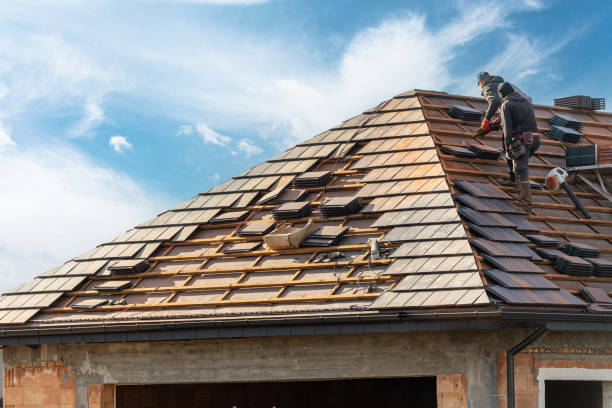
- Installing the New Roof: Once the old roof is removed, the new materials are installed. This process involves laying down underlayment, followed by the chosen roofing material. Proper installation is crucial to ensure the roof’s longevity and performance. Skilled workers will ensure that every component is properly aligned and secured.
- Final Inspection: After the installation is complete, a final inspection is conducted to ensure everything is in place and meets quality standards. This step ensures your new roof is ready to protect your home for years to come. Inspectors will check for any potential weak points or areas that need adjustments.
Roof Replacement Costs
Roof replacement costs can vary significantly based on several factors:
- Material Choice: Different materials have varying price points. Asphalt shingles are generally more affordable, while materials like slate or metal can be more expensive. Each material also has different maintenance needs and life expectancies, which can affect long-term costs.
- Roof Size and Complexity: Larger roofs or those with complex designs may require more materials and labor, increasing the overall cost. Features like valleys, skylights, or chimneys can add to the complexity and require more detailed work.
- Labor Costs: Labor charges can differ based on location and the contractor’s experience. It’s essential to get multiple quotes to ensure a fair price. Experienced contractors may charge more, but their expertise can lead to a smoother process and better results.
- Unexpected Repairs: During the removal of the old roof, unforeseen issues like rot or structural damage may arise, leading to additional repair costs. It’s wise to budget for these potential extras to avoid surprises.
Fire Sprinkler Installation Process
Installing a fire sprinkler system is a proactive step in safeguarding your home from fire damage. Here’s what to expect during this process:
Planning and Design
- Initial Consultation: The process begins with a consultation with a fire sprinkler specialist. They’ll assess your home’s layout and discuss your specific needs to design a customized system. This consultation ensures that the system is tailored to effectively cover high-risk areas.
- System Design: Based on the consultation, a detailed plan is created, outlining the placement of sprinkler heads, piping, and other components. This design ensures maximum coverage and efficiency. Modern systems can also integrate with home automation for enhanced safety.
- Customized Solutions: Each home is unique, and so are its fire safety needs. During the planning phase, specialists will consider factors like occupancy, building materials, and potential hazards to create a system that offers optimal protection.
Installation
- Permits and Approvals: Before installation begins, necessary permits and approvals from local authorities must be obtained. Your contractor will handle this process to ensure compliance with regulations. Ensuring all legal requirements are met is crucial to avoid future complications.
- Installation of Piping and Sprinkler Heads: The installation involves running pipes throughout your home and placing sprinkler heads in strategic locations. This setup ensures that water is distributed evenly in the event of a fire. Careful attention to detail during this stage is vital to prevent leaks and ensure system reliability.
- Testing and Inspection: Once installation is complete, the system undergoes rigorous testing to ensure it functions correctly. Inspections are conducted to verify compliance with safety standards. Regular testing is also necessary to ensure the system will perform as expected in an emergency.
- Integration with Other Systems: Modern fire sprinkler systems can often be integrated with smoke alarms and security systems. This interconnected approach ensures a comprehensive response in the event of a fire, maximizing safety.
Maintenance and Upkeep
Regular maintenance is vital to ensure the fire sprinkler system remains in optimal condition. This includes periodic inspections, testing, and servicing by professionals. Proper upkeep not only extends the life of the system but also guarantees its effectiveness in a crisis. Regular checks can identify potential issues like corrosion or blockages, which, if left unchecked, could compromise performance.
Choosing the Right Contractor
Whether you’re replacing your roof or installing fire sprinklers, selecting a qualified contractor is crucial. Here are some tips to help you make the right choice:
- Research and Recommendations: Start by researching local contractors and seeking recommendations from friends, family, or online reviews. Look for feedback on their reliability, quality of work, and customer service.
- Check Credentials: Ensure the contractor is licensed, insured, and has a solid track record of successful projects. Checking for affiliations with professional organizations can also be a good indicator of their credibility.
- Request Multiple Quotes: Obtain quotes from several contractors to compare prices, services, and timelines. This will give you a better understanding of the market and help you make an informed decision. Remember to evaluate what each quote includes to avoid hidden costs later.
- Ask Questions: Don’t hesitate to ask potential contractors about their experience, past projects, and any concerns you may have. A reputable contractor will be transparent and willing to address your questions. This communication is key to ensuring that expectations are aligned before work begins.
Conclusion
Undertaking a roof replacement or fire sprinkler installation project can be a significant endeavor, but with the right information and preparation, it can be a smooth and successful process. By understanding the steps involved and working with experienced professionals, you can ensure your home remains safe, secure, and well-maintained for years to come.
Remember, both projects are investments in your home’s future. Proper planning, choosing the right materials, and hiring skilled contractors are key to achieving the best results. With this guide, you’re well on your way to navigating these projects with confidence. Whether it’s reinforcing your roof or enhancing fire safety, these improvements contribute to your peace of mind and the longevity of your home.